- Home
- Who we are
- What we do
What we do?
- How to Help
- Be the Change: Volunteer Today
Make a Difference by Volunteering
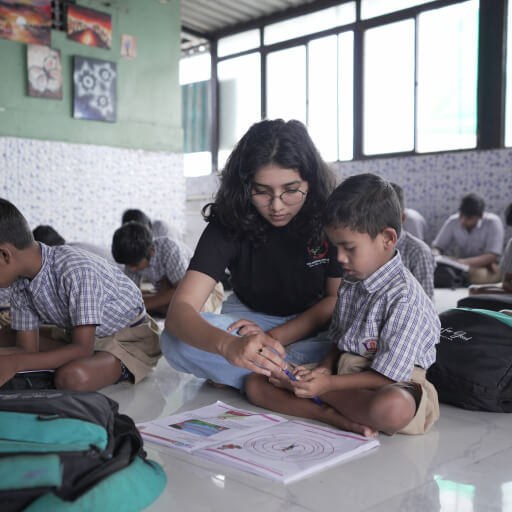
Join DHEL, to empower communities, uplift lives and create meaningful change! Volunteer today.
- Your Generosity, Their Hope
Support Us Through Donations
Your donations brings education, healthcare and hope to those who need. Support Foundation today!
- A help to those who need it
Partner with DHEL for Meaningful Change
Partner with DHEL Foundation to access funding, amplify efforts and drive impactful change together.
Make a Difference by Volunteering
Support Us Through Donations
Partner with DHEL for Meaningful Change
- Gallery
- Contact
- Home
- Who we are
- What we do
What we do?
- How to Help
- Be the Change: Volunteer Today
Make a Difference by Volunteering
Join DHEL, to empower communities, uplift lives and create meaningful change! Volunteer today.
- Your Generosity, Their Hope
Support Us Through Donations
Your donations brings education, healthcare and hope to those who need. Support Foundation today!
- A help to those who need it
Partner with DHEL for Meaningful Change
Partner with DHEL Foundation to access funding, amplify efforts and drive impactful change together.
Make a Difference by Volunteering
Support Us Through Donations
Partner with DHEL for Meaningful Change
- Gallery
- Contact
- Home
- Who we are
- What we do
What we do?
- How to Help
- Gallery
- Contact
- Home
- Who we are
- What we do
What we do?
- How to Help
- Gallery
- Contact
- Home
- Who we are
- What we do
- How to Help
- Be the Change: Volunteer Today
Make a Difference by Volunteering
Join DHEL, to empower communities, uplift lives and create meaningful change! Volunteer today.
- Your Generosity, Their Hope
Support Us Through Donations
Your donations brings education, healthcare and hope to those who need. Support Foundation today!
- A help to those who need it
Partner with DHEL for Meaningful Change
Partner with DHEL Foundation to access funding, amplify efforts and drive impactful change together.
Make a Difference by Volunteering
Support Us Through Donations
Partner with DHEL for Meaningful Change
- Gallery
- Contact
- Home
- Who we are
- What we do
- How to Help
- Be the Change: Volunteer Today
Make a Difference by Volunteering
Join DHEL, to empower communities, uplift lives and create meaningful change! Volunteer today.
- Your Generosity, Their Hope
Support Us Through Donations
Your donations brings education, healthcare and hope to those who need. Support Foundation today!
- A help to those who need it
Partner with DHEL for Meaningful Change
Partner with DHEL Foundation to access funding, amplify efforts and drive impactful change together.
Make a Difference by Volunteering
Support Us Through Donations
Partner with DHEL for Meaningful Change
- Gallery
- Contact